
Understanding Tree Removal Costs: A Homeowner’s Guide
As a homeowner, I’ve faced the daunting task of needing a tree removed, and let me tell you, the first question that popped into my head was always, “how much does tree removal cost?” It’s a significant home expense that often comes with little warning, whether it’s due to storm damage, disease, or simply overgrown roots threatening your foundation. Understanding the various factors that influence the final bill can save you stress and help you budget effectively. From my experience, knowing what to expect is half the battle when dealing with tree service professionals. This guide will help you navigate the complexities of tree removal pricing, giving you the confidence to make informed decisions.
What Influences Tree Removal Costs? Key Factors Explained
The price tag for removing a tree isn’t a one-size-fits-all number. Several critical elements come into play, each significantly impacting the overall tree removal cost. Let’s break down the main factors that arborists consider when providing a quote.
Tree Size and Type
One of the most obvious factors is the tree’s size. A small, young tree (under 25 feet) is far less expensive to remove than a towering oak (over 75 feet). Taller trees require more equipment, more time, and greater risk. The diameter of the trunk also plays a role, as thicker trunks are harder to cut through. For example, a 60-foot pine might cost less than a 60-foot oak because pine wood is generally softer and easier to manage. Different types of trees, like palms, typically have lower removal costs due to their simpler structure, while hardwoods like maple or hickory require more effort.
Tree Condition and Health
The health of the tree impacts safety and, consequently, the price. A healthy, robust tree often provides stable branches for climbing and rigging. In contrast, a diseased, decaying, or dead tree can be unstable and unpredictable. This instability makes the job much riskier for the crew, requiring specialized techniques and equipment to prevent sections from falling unexpectedly. For instance, a tree riddled with rot will likely cost more to remove due to the increased hazard and careful planning required.
Location and Accessibility
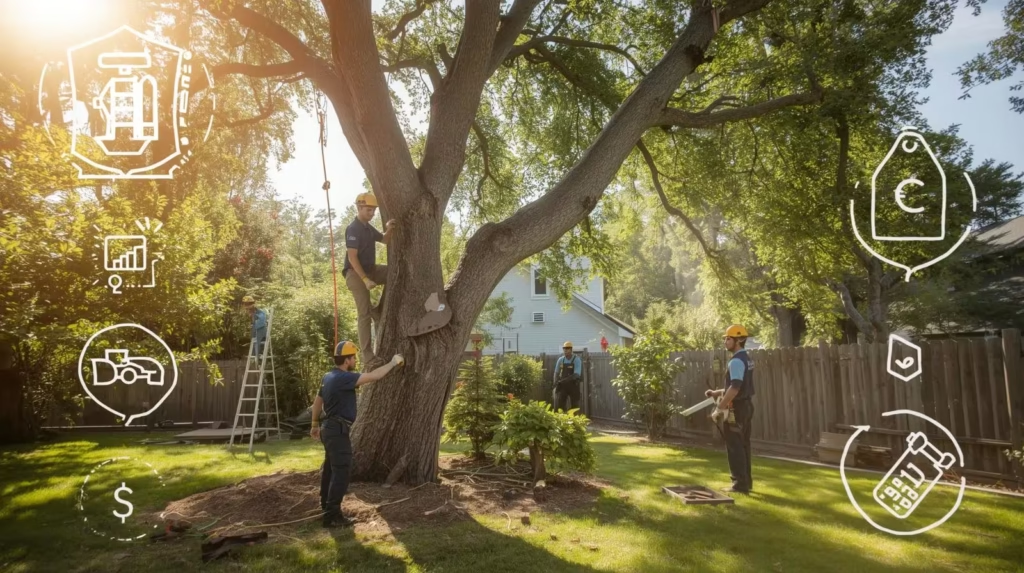
Where the tree is located on your property is a huge determinant of the average tree removal price. An easily accessible tree in an open yard allows arborists to use heavy machinery like cranes or bucket trucks efficiently. However, a tree located in a cramped backyard, on a sloped area, or behind fencing will require more manual labor, more precise cuts, and careful lowering of branches. This “technical difficulty” translates directly into higher costs due to increased labor hours and specialized equipment needs.
Hazardous Situations and Obstacles
Proximity to power lines, homes, fences, or other structures significantly increases the complexity and risk of the removal. Tree service companies must take extreme precautions to avoid damaging property or injuring workers. This often means using advanced rigging techniques, multiple crew members, and sometimes even requesting power companies to temporarily cut power. Removing a tree leaning precariously over your roof, for example, will undoubtedly fetch a higher quote than one standing freely in an open field because of the inherent danger and painstaking approach required.
Additional Services: Stump Grinding, Hauling, and More
When you get a quote, clarify what’s included. Often, the base tree removal cost only covers cutting down the tree and clearing large debris. Additional services like stump grinding (to remove the remaining stump below ground level), wood chipping (breaking down branches into mulch), and hauling away all debris will add to the total. If you want the site left perfectly clean, ensure these services are itemized in your estimate. Not including these can sometimes reduce the initial quote but leave you with more work later.
Average Tree Removal Costs: A Snapshot
While costs vary greatly, understanding national averages can help you prepare. Generally, homeowners can expect to pay anywhere from $200 to $2,000+ for tree removal. Small trees (under 25 feet) might cost between $150-$500. Medium trees (25-50 feet) typically range from $400-$1,000. Large trees (50-75 feet) can be $700-$1,500, and very large or hazardous trees (over 75 feet) can easily exceed $1,500, sometimes reaching several thousand dollars. Keep in mind these are broad estimates, and your specific circumstances will dictate the exact price. For a more personalized estimate, consider using a tree removal cost calculator, which can factor in your unique details.
Getting Accurate Quotes: What to Ask Your Arborist
To ensure you get a fair and accurate price for tree removal, it’s crucial to obtain multiple quotes—ideally three to five—from different reputable companies. When speaking with arborists, don’t be afraid to ask detailed questions:
- What exactly is included in the price? Does it cover hauling away branches, stump grinding, or wood chipping?
- Are you licensed and insured? Always ask for proof of general liability insurance and workers’ compensation. This protects you from financial responsibility if a worker is injured or property is damaged.
- How will the tree be removed? Understanding their method can give you insight into the safety precautions and equipment used.
- How long will the job take?
- Do you require any permits? Some municipalities require permits for tree removal, especially for very large or protected trees.
- Can you provide references?
A detailed, written estimate that clearly outlines the scope of work and costs is essential. Never settle for a verbal estimate.
Budgeting for Tree Removal: Practical Tips
Tree removal can be an unexpected expense, but with a bit of planning, you can manage the costs effectively.
Consider Off-Peak Seasons
Tree removal companies often have busier periods, such as after major storms or during peak growing seasons. If your tree removal isn’t an emergency, inquire if there are lower rates during their off-peak times, typically in late fall or winter when deciduous trees have lost their leaves and are lighter to manage. This can sometimes lead to a slightly lower average tree removal price.
DIY Light Work (But Be Cautious!)
While I strongly advise against attempting to remove large or hazardous trees yourself due to extreme safety risks, you might be able to handle some minor tasks to reduce the professional’s workload. This could include clearing small branches from the area before they arrive or disposing of small, easily manageable brush yourself if the company offers a “cut and leave” service for less. Always prioritize safety and know your limits.
Understand Permits and Insurance
Before any work begins, check with your local municipality about necessary permits for tree removal. Ignoring this could lead to fines. Also, review your homeowner’s insurance policy. In certain situations, like storm-damaged trees, your policy might cover a portion of the removal cost, especially if the tree fell on your home or another insured structure.
Regular Tree Maintenance Can Save Money
Proactive care can prevent costly removals. Regularly pruning branches, identifying diseases early, and generally learning how to maintain your trees can extend their life and improve their health. An unhealthy tree is more likely to become a hazard, leading to an emergency removal, which is almost always more expensive than a planned one.
Final Thoughts on Managing Tree Removal Expenses
Tree removal is a necessary expense for many homeowners at some point. It’s an investment in safety, property protection, and overall landscape health. By understanding the factors that affect the tree removal cost, getting multiple detailed quotes, and making informed decisions, you can manage this process effectively and ensure you get fair value for your money. Don’t let the initial sticker shock deter you; with the right approach, you can budget smartly and choose a reputable professional to safely complete the job.
Frequently Asked Questions
How much does it cost to remove a 50-foot tree?
Removing a 50-foot tree typically costs between $700 and $1,500, but this can increase significantly if the tree is in a hazardous location, diseased, or difficult to access.
What is the cheapest way to get a tree removed?
The cheapest way is usually to opt for a “cut and leave” service where the company cuts the tree down and leaves the debris for you to dispose of. However, this only saves you money if you have the means to handle the cleanup yourself, like a large wood chipper or a way to haul away the wood.
Do tree removal companies clean up?
Many reputable tree removal companies offer cleanup as part of their standard service, which includes hauling away branches and debris, and sometimes even stump grinding. However, always clarify what’s included in your quote, as some services might charge extra for a full cleanup.
Is tree removal covered by home insurance?
Home insurance typically covers tree removal costs if the tree falls due to an insured peril (like a windstorm or lightning strike) and damages your home, a detached structure (like a garage), or blocks your driveway. It usually does not cover removal for healthy trees, dead trees that haven’t fallen, or trees that fall without causing damage.
Should I get multiple quotes for tree removal?
Yes, absolutely. Always obtain at least three to five quotes from different licensed and insured tree service companies. This helps you compare prices, assess different approaches to the job, and ensure you’re getting a fair market rate for your specific needs.