
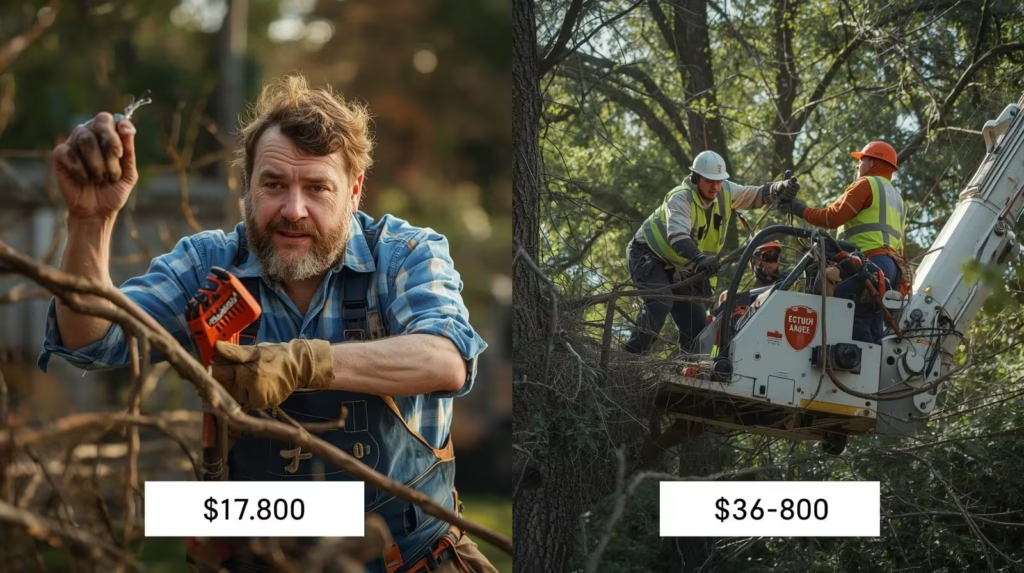
Getting a tree removed from your property can feel like a financial mystery. I’ve personally navigated the process of getting multiple quotes for everything from a small ornamental tree to a towering oak right next to my house. The prices varied wildly, and it became clear that understanding the underlying tree removal cost factors was crucial. This isn’t just about cutting down a tree; it’s a specialized service with many variables influencing the final bill. My goal here is to demystify these costs, offering you a clear tree removal pricing guide so you can budget accurately and confidently.
Introduction: Decoding Tree Removal Estimates
Tree removal pricing isn’t a one-size-fits-all scenario. Many homeowners are surprised by the range in quotes they receive. This article aims to pull back the curtain on these variations, helping you understand the key tree removal cost factors that professional arborists consider. By knowing these elements, you’ll be better equipped to interpret bids and make an informed decision for your property.
The Primary Cost Drivers: What Makes Prices Fluctuate?
At the core of any tree removal estimate are several primary components that dictate the overall price. These fundamental tree removal estimate variables include the physical characteristics of the tree itself, its surroundings, and its condition. We’ll explore each of these in detail, highlighting why they significantly impact the complexity and cost of the job.
Tree Size and Height
One of the most significant tree removal cost factors is the tree’s size, specifically its height and trunk diameter. A small tree, say under 25 feet, is relatively quick and safe to remove, often requiring just basic tools. Medium trees, from 25 to 50 feet, involve more careful planning and specialized equipment like ropes and harnesses for climbers.
For large trees, often exceeding 50 feet, complexity escalates. These require highly skilled climbers, advanced rigging techniques, and sometimes heavy machinery like a bucket truck or even a crane. A larger tree means more work, more debris, and increased risk for the crew. The wider the trunk diameter, the more wood needs to be cut and handled, further impacting labor time and equipment wear.
Tree Location and Accessibility
Where your tree is located on your property is a crucial tree removal estimate variable. A tree standing in an open field, far from any structures or power lines, is much easier and cheaper to remove. The crew has ample space to fell sections or even the entire tree without obstruction.
Conversely, a tree close to your house, garage, fence, or utility lines demands meticulous care. Each limb must be lowered safely and strategically to prevent property damage, a process known as “technical removal.” Limited access, such as a backyard without direct vehicle or equipment access, means more manual labor for the crew. This includes hand-carrying lumber and branches, which adds considerable time and effort to the job.
Tree Species and Health
The type of tree and its current health also play a role in tree removal pricing guide. Hardwoods like oak, maple, or hickory are denser and heavier than softwoods like pine or poplar. This density makes them harder to cut through and heavier to handle, increasing labor. For example, removing a mature oak will generally cost more than a pine of similar size.
Diseased, dead, or decaying trees present unique challenges. While they might seem easier to cut due to their weakness, they are often much riskier. Weakened limbs can break unpredictably, posing a danger to the crew and property. Removing such a tree requires extra caution, specialized safety measures, and more controlled section removal, which can increase the overall cost due to the heightened risk and complexity.
The Number of Trees
If you have multiple trees needing removal, you might see a slight per-tree discount. This is because arborists can streamline their setup, travel, and cleanup processes for several trees in one visit. However, the total cost will naturally increase with each additional tree. Always ask for a bundled quote if you have more than one tree to remove.
Additional Services and Hidden Costs
Beyond the basic removal, several optional services can affect your final tree removal pricing guide. Understanding these add-ons is key to preventing surprises when you receive your estimate.
Stump Removal and Grinding
Many homeowners assume tree removal includes the stump, but it rarely does. Stump grinding is the more common service, where a machine grinds the stump down below ground level, leaving wood chips. This allows you to plant grass or new landscaping over the spot. Stump removal, pulling the entire stump and its largest roots out, is a much more intensive process. It costs more and can leave a significant hole, but it’s essential for preventing regrowth or if you plan to build on the spot. Both are typically extra charges.
Debris Removal and Hauling
After a tree is cut, you’ll have a significant amount of wood and branches. Your estimate should clarify whether debris hauling is included. Some companies offer a reduced rate if you’re willing to handle the cleanup or keep the wood for firewood. If not, the cost for professionals to chip branches and haul away all wood adds to your total. Always confirm what the cleanup services entail.
Emergency Tree Removal
Unexpected catastrophic events, like a storm bringing a tree down, often necessitate urgent removal. Emergency tree removal is inherently more expensive due to the immediate response required, often outside regular business hours. These dangerous situations also involve heightened risk for the crew, specialized equipment for unstable trees, and sometimes coordinating with utility companies. Expect a premium charge for emergency services, as they are not planned and often labor-intensive under stressful conditions.
Regional Differences and Provider Factors
Even with all the tree-specific variables, external factors tied to your location and the service provider also influence your tree removal pricing guide.
Geographic Location
Just like real estate, tree removal costs can vary by region. Labor costs, operational expenses, and the general cost of living in your area all impact pricing. Cities typically have higher tree removal costs than rural areas, and prices can even differ significantly between neighboring towns.
Company Reputation and Insurance
Choosing a reputable, licensed, and insured tree service is paramount. While they might not be the absolute cheapest, their rates reflect their proper insurance coverage, which protects you from liability if an accident occurs on your property. This also indicates trained professionals who follow safety protocols. Do not compromise on insurance; an uninsured company might offer a lower bid but puts you at serious financial risk.
How to Get an Accurate Tree Removal Estimate
To get the most accurate understanding of your tree removal cost factors, always follow a few key steps. First, get at least three detailed quotes from different local, reputable tree service companies. Ensure each quote specifies exactly what is included, such as felling, limbing, chipping, debris removal, and stump grinding. Don’t hesitate to ask for an itemized breakdown. Always verify that the company is licensed and insured; a certificate of insurance should be readily provided. This due diligence ensures you’re comparing apples to apples and hiring professionals. Learn more about potential costs using our Tree Removal Cost Calculator.
When to DIY vs. Hire a Professional
For any tree larger than a small sapling or one that requires climbing, always hire a professional. DIY tree removal, especially for medium to large trees, is incredibly dangerous and can lead to severe injury, property damage, or even death. Professionals have the training, experience, and specialized equipment to safely and efficiently remove trees. Consider DIY only for very small, easily accessible shrubs or saplings that pose no risk.
Conclusion: Making Informed Decisions
Understanding the key tree removal cost factors empowers you to budget effectively and choose the right service provider. From the tree’s size and location to additional services and regional differences, many variables influence the final price. By asking detailed questions, getting multiple quotes, and prioritizing safety, you can navigate the tree removal process with confidence. Don’t hesitate to seek professional assessments to ensure a safe and successful outcome.
Frequently Asked Questions
What is the average cost of tree removal?
The average cost for tree removal can range significantly, typically from $200 to over $2,000. This wide range depends entirely on the factors discussed in this article, such as tree size, location, and additional services.
Does tree removal include stump grinding?
No, typically tree removal does not include stump grinding or removal. These are usually considered separate services and will add to the overall cost. Always clarify what is included in your quote.
Why do quotes for tree removal vary so much?
Quotes vary due to the many variables involved: tree height and species, its proximity to structures, accessibility for equipment, the difficulty of the job, whether debris hauling is included, and regional labor costs.
Is emergency tree removal more expensive?
Yes, emergency tree removal is almost always more expensive than scheduled removal. This is due to the urgent nature, potential after-hours work, increased risk, and the specialized equipment often required for hazardous situations.
Should I always choose the cheapest quote?
No, choosing the cheapest quote is not always the best approach. Prioritize reputable, licensed, and insured professionals. An uninsured company might offer lower prices but puts you at significant financial risk if an accident occurs.
How can I reduce the cost of tree removal?
You can potentially reduce costs by handling debris removal yourself (if offered), opting to keep the wood for firewood, or arranging for removal during off-peak seasons if the tree isn’t an immediate hazard. However, safety should always be the top priority.