
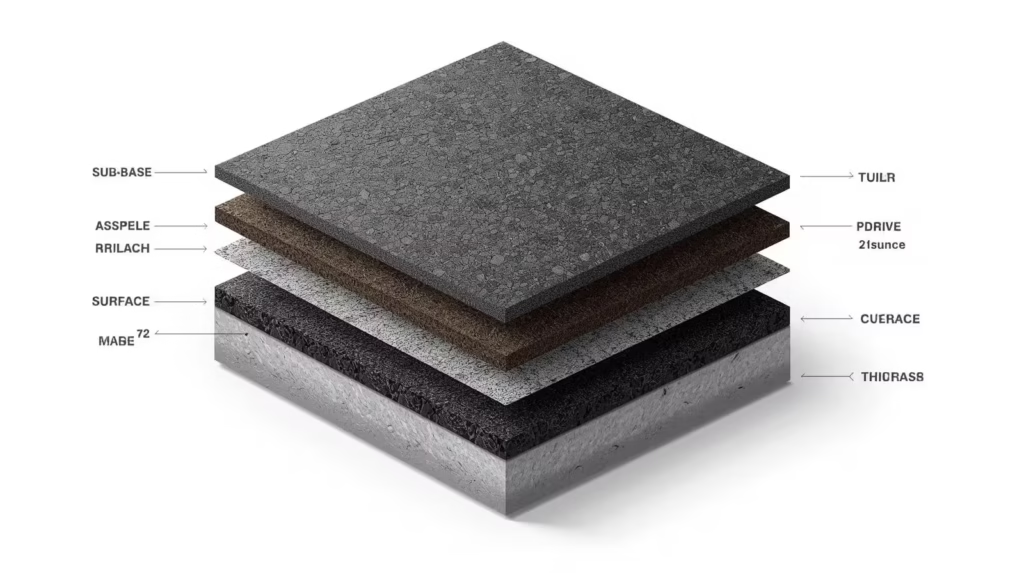
Introduction: Why Asphalt Quantity Drives Cost
After reviewing dozens of paving quotes for residential and commercial projects, one pattern is always clear: quantity is the single biggest factor affecting asphalt cost. Homeowners often focus only on the price per square yard, while contractors look deeper—at tonnage, thickness, and logistics.
With hands-on experience in project planning and cost estimation, I’ve learned that understanding how asphalt quantity impacts your budget can easily save 10–25% on total paving costs. This asphalt pricing guide breaks everything down in a practical, easy-to-follow way.
How Asphalt Pricing Really Works
According to data published by the National Asphalt Pavement Association (NAPA), one ton of asphalt typically covers 80–110 square feet at 2 inches thick.
Asphalt is typically priced by the ton, not by square yard. However, most customers think in surface area terms, which is where confusion begins.
Asphalt pricing depends on:
- Total square yards
- Asphalt thickness (in inches)
- Asphalt mix type
- Local material and fuel costs
- Delivery distance
According to industry data from paving associations, 1 ton of asphalt covers about 80–110 square feet at 2 inches thick, depending on compaction.
Related Calculator
Asphalt Calculator
Asphalt Calculator | Calculate Asphalt Tonnage for Driveways & Paving Projects Smart Asphalt Calculator Calculate the exact amount of asphalt…
Use This Calculator📁 More Construction Calculators
🔍 Explore All Construction CalculatorsAsphalt Cost Per Square Yard Explained
Average Asphalt Cost Per Square Yard (Installed):
- Residential driveways: $7 – $15
- Commercial paving: $10 – $20
- Heavy-duty areas: $15 – $25
These prices include:
- Material
- Labor
- Equipment
- Compaction
⚠️ Important: Thicker asphalt = higher cost per square yard.
For example:
- 2 inches thick = lower cost
- 4 inches thick = nearly double the material cost
Quantity vs Cost: Small Jobs vs Large Projects
Why Bigger Projects Cost Less Per Unit
Contractors often offer volume discounts. Larger projects spread fixed costs (equipment, crew, transport) across more square yards.
Example:
| Project Size | Cost per Sq Yard |
| 200 sq yd | $15–$18 |
| 1,000 sq yd | $9–$12 |
Smaller jobs are more expensive per unit because:
- Setup costs stay the same
- Delivery minimums apply
- Less room for efficiency
Hidden Cost Factors Most People Miss
Thickness recommendations follow Asphalt Institute pavement design guidelines, especially for driveways and heavy-duty areas.
Even with accurate measurements, several hidden factors affect final cost:
1. Asphalt Thickness
Each extra inch increases material volume significantly.
2. Base Preparation
Poor sub-base conditions can add 20–40% to total cost.
3. Waste & Overrun
Professionals add 5–10% extra asphalt to avoid shortages.
4. Location & Fuel Prices
Asphalt pricing fluctuates with oil prices and distance from plants.
Using an Asphalt Calculator for Cost Estimation
An asphalt calculator cost tool helps translate measurements into real numbers.
What a Good Asphalt Calculator Includes:
- Area (sq ft or sq yd)
- Thickness (inches)
- Asphalt density
- Estimated cost per ton
Using a calculator before requesting quotes allows you to:
- Spot overpriced bids
- Plan budgets accurately
- Avoid under-ordering
Real-World Budget Examples
Example 1: Residential Driveway
- Area: 500 sq yd
- Thickness: 3 inches
- Cost per sq yd: $12
Estimated Cost: $6,000
Example 2: Small Parking Lot
- Area: 1,200 sq yd
- Thickness: 4 inches
- Cost per sq yd: $14
Estimated Cost: $16,800
These examples show how quantity and thickness directly affect budget.
Expert Opinions & Industry Data
Cost distribution data aligns with findings from the Federal Highway Administration (FHWA) on pavement construction expenses.
According to data from paving industry standards:
“Material volume accounts for nearly 60% of total asphalt paving costs,”
— Asphalt industry cost analysis report
Experienced contractors consistently recommend calculating tonnage before finalizing budgets, not after.
How to Reduce Asphalt Costs Without Cutting Quality
Here are proven cost-saving tips:
- ✔ Use accurate measurements (avoid guessing)
- ✔ Choose the correct thickness for usage
- ✔ Schedule paving during off-peak seasons
- ✔ Compare at least 3 contractor quotes
- ✔ Use an asphalt calculator before ordering
Conclusion
Understanding asphalt cost per square yard is only half the equation. Quantity, thickness, and preparation determine how much you actually spend. Whether you’re budgeting for a driveway or a large paving project, knowing how asphalt volume affects cost puts you in control.
Use a reliable asphalt calculator, plan for waste, and make informed decisions—your wallet will thank you.
Frequently Asked Questions (FAQ)
1. How much does asphalt cost per square yard?
On average, $7–$15 for residential projects.
2. Does thicker asphalt cost more?
Yes. Each additional inch increases material and labor costs.
3. Is asphalt cheaper for large areas?
Yes. Larger projects usually have lower per-unit costs.
4. How accurate are asphalt cost calculators?
Very accurate when correct inputs are used.
5. Should I budget extra for asphalt?
Yes—add 5–10% for waste and compaction.